
Quick Answer
- Breast pain is extremely common - up to 80% of women experience it at some point.
- In most cases, it is not a sign of breast cancer.
- Pain tied to your menstrual cycle is the most common type and is usually nothing to worry about.
- Pain that is new, constant, one-sided, or comes with a lump or skin changes deserves a doctor's attention.
What Is Breast Pain?
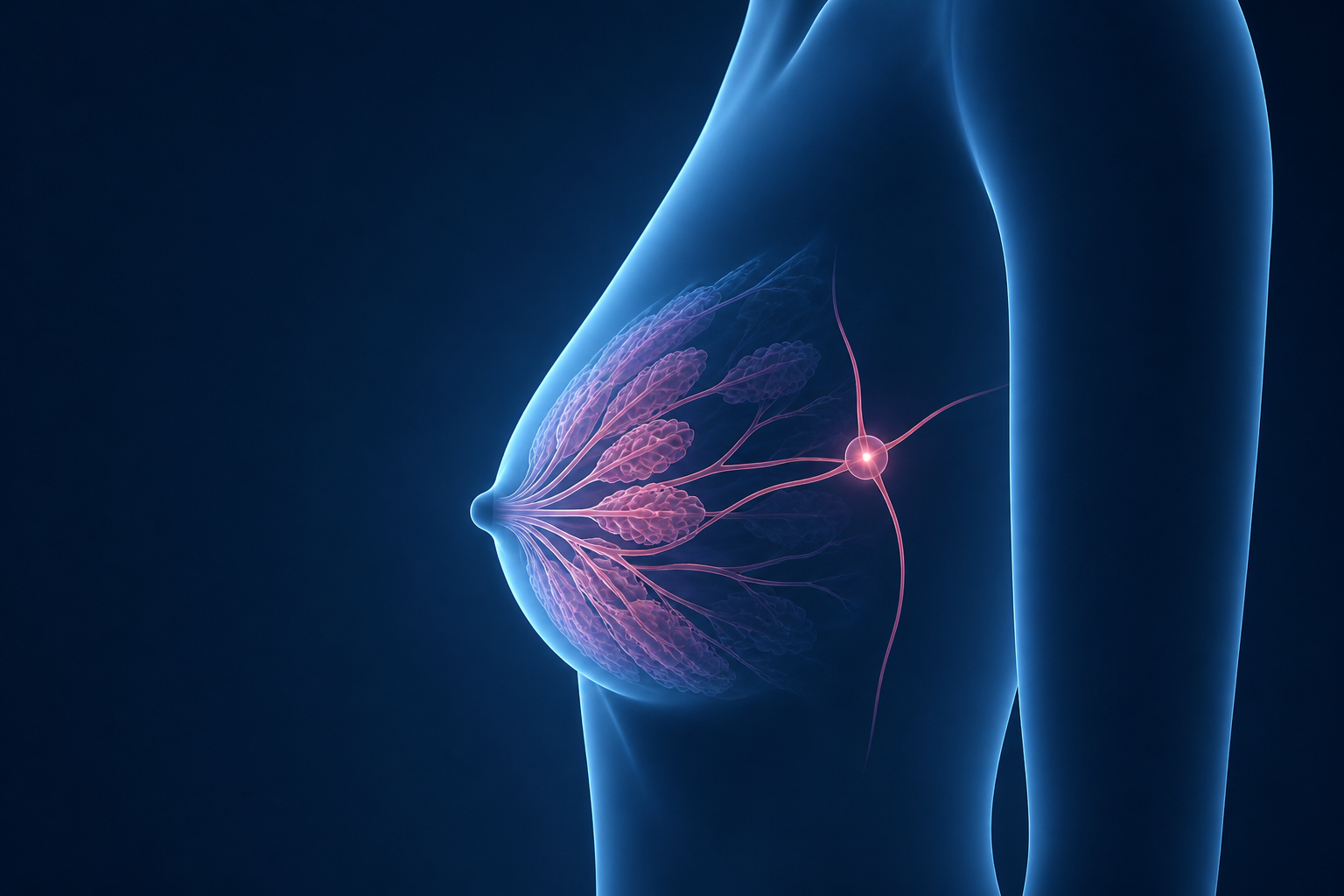
Breast pain - medically called mastalgia or mastodynia - is any discomfort, soreness, tenderness, or pain felt in one or both breasts. It ranges from a dull ache to sharp, stabbing sensations. Doctors classify it into two main types:
- Cyclic mastalgia- Pain that follows your menstrual cycle. It usually starts a few days before your period, affects both breasts, and goes away after your period begins. This is the most common type.
- Non-cyclic mastalgia - Pain with no relation to your cycle. It may be constant or intermittent, often felt in one specific area, and has many possible causes.
Common Causes
Hormonal (most common):
- Estrogen and progesterone fluctuations before your period
- Pregnancy - breast tenderness is often one of the first signs
- Menopause and hormone replacement therapy (HRT)
- Birth control pills containing estrogen
Physical / Structural:
- An ill-fitting or unsupportive bra
- Sports or physical activity that strains the chest muscles
- Breast injury or trauma
- Previous breast surgery or biopsy
Breast Conditions:
- Fibrocystic breast changes - benign lumpy breast tissue that can cause aching, especially before your period
- Mastitis- a breast infection causing redness, warmth, and pain
- Breast abscess- a pocket of infection causing severe localized pain
Other factors:
- High caffeine intake, high-fat or high-salt diet, smoking
- Certain antidepressants, blood pressure medications, and infertility treatments
When Should You Get It Checked?
See your doctor if you have any of the following:
- Pain that does not go away after 2 weeks
- Pain that is getting worse over time
- Pain localized to one specific spot you can point to with one finger
- Pain with a new lump, swelling, or thickening
- Pain with redness, warmth, or skin changes
- Pain that comes with nipple discharge
- Pain that is interfering with your daily life or sleep
Breast cancer is rarely painful in its early stages, but pain can sometimes be a symptom - especially when it is constant and one-sided.
How Doctors Evaluate It
- Medical history- type of pain, timing, relation to your cycle, associated symptoms, medications, and family history
- Clinical breast exam - physical examination of both breasts, checking for lumps, thickening, skin changes, and lymph nodes
- Mammogram - if you have localized pain, a lump, or a thickened area
- Breast ultrasound - used when pain is focused in one area (not widespread). It’s often done alongside a mammogram, especially in younger women with denser breast tissue.
- Breast MRI- used in specific cases when mammogram and ultrasound are unclear
- Biopsy - if an area looks suspicious on imaging
What Happens Next?
Common Questions About Breast Pain
These are the most common questions patients have about breast pain.
1. Can breast pain be a sign of cancer?
It can be, but it is uncommon. Most breast cancers are painless in early stages. However, certain types - like inflammatory breast cancer - can cause pain and tenderness. If your pain is persistent, worsening, or one-sided, it is worth having evaluated.
2. My breast pain is worse before my period. Should I be worried?
This is called cyclic mastalgia and is the most common type of breast pain. It is caused by normal hormonal shifts in estrogen and progesterone. It affects both breasts and typically resolves after your period starts. This type of pain is not associated with an increased risk of breast cancer.
3. Can lifestyle changes help?
Yes. Many women find that reducing caffeine, lowering salt intake, maintaining a healthy weight, and wearing a well-fitted supportive bra significantly reduces breast pain - especially cyclic pain. Keeping a pain diary to track patterns can also help identify triggers.
Related Breast Topics
Have a breast imaging report? A board-certified radiologist with extensive experience in breast imaging reviews every explanation before it reaches you.
Get My Report ExplainedThis service provides educational explanations of radiology reports and does not constitute medical advice, diagnosis, or treatment. Medical decisions should always be made in consultation with your physician.